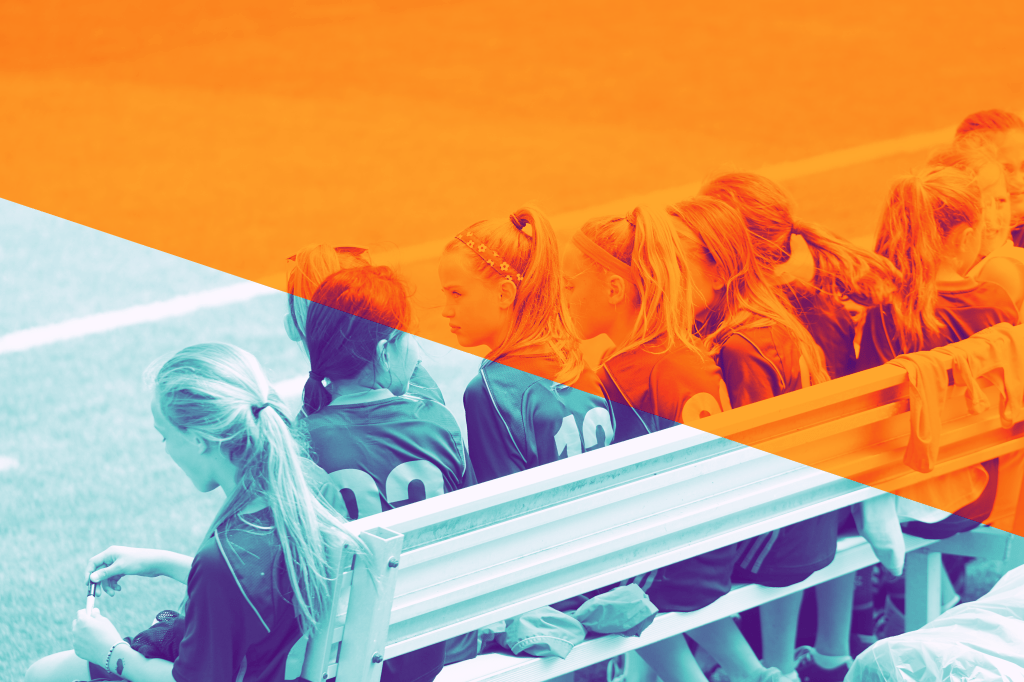
Equal playing time in youth sports is a hot topic among coaches, parents, and sports organizations. While some argue for a more competitive approach, research consistently shows the benefits of fair play for young athletes.
Fair or equal playing time isn’t just about minutes on the clock when the team has pretty much locked a win. The Positive Coaching Alliance reports, “Good coaches get players into the game. Players who stay on the bench don’t benefit as much from sport.” This means coaches should have strategies to get all their players into games for what they call meaningfulminutes.
And those meaningful minutes matter. Here are the top 10 reasons why equal playing time in youth sports is vital for all-around development and long-term participation.
- Increases Participation Rates
According to the Aspen Institute’s State of Play 2017 report, only 37% of kids ages 6-12 regularly played team sports in 2016, down from 45% in 2008. Ensuring equal playing time can help reverse this trend by keeping more kids engaged and interested in sports. - Boosts Confidence and Self-Esteem
Ironically, confidence usually comes as a gift from failures—and then getting back up and trying again. Equal playing time provides more opportunities for all children to build this confidence. A report from the Women’s Sports Foundation “The Healing Power of Sport: COVID-19 and Girls’ Participation, Health and Achievements” found that youth who played sports had higher levels of self-esteem, self-efficacy, and social support—and lower levels of depression, loneliness, self-derogation, and fatalism—than their peers who didn’t participate in sport. - Aligns with Children’s Motivations
A 2014 study by George Washington University found that 9 out of 10 kids said their primary reason for playing sports is to have fun. Getting playing time was one of their top definitions of having fun, while winning ranked only 48th in importance. - Reduces Dropout Rates
Lack of playing time is a significant factor in youth sports dropout rates. By ensuring fair play, we can keep more children engaged in sports for longer, promoting lifelong physical activity habits. - Enhances Skill Development
Equal playing time allows all children to develop their skills in real game situations. This is especially crucial in the early years when foundational skills are being formed. - Promotes Teamwork and Inclusion
Fair play policies teach children the value of every team member, fostering a more inclusive and supportive team environment. - Better Parent Behavior
Undoubtedly, parents in the stands want to their child play in the game. When that doesn’t happen, it feels personal. Many parents direct this frustration at coaches and even and their child. A recent campaign in the Kansas City area addresses this very issue. Better still, this tense situation could be minimized with game time tracking and a greater investment in more evenly distributed playing time. - Supports Long-term Athlete Development
Equal playing time in youth sports aligns with long-term athlete development models, which prioritize skill development and enjoyment over early specialization and competition. Seventy-three percent of adults who play sports say they also participated when they were younger. This that they built the habit of physical activity early and are reaping the rewards in adulthood. - Improves Physical Health Outcomes
More playing time means more physical activity, which is essential for children’s health. The World Health Organization recommends at least 60 minutes of moderate to vigorous physical activity daily for children and adolescents. Participation in organized sports for just one year has been associated with reduced clustered cardiovascular risk and a 20% reduction of overweight/obesity in elementary school. - Teaches Life Lessons
Fair play in sports teaches children valuable life lessons about equity, respect, teamwork, responsibility and the value of participation over winning at all costs. Studies have shown that participation in sports is associated withimproved life skills (e.g., goal setting, time management, work ethic, empathy, negotiation) as well as increased empowerment, personal responsibility and self-control.
What about talent & merit?
Some argue that giving equal playing time, especially for older children and teens, removes the competitive aspect of sports and doesn’t prepare kids for real-world competition. As advocates for equal playing opportunities, we simultaneously do not want to diminish the spirit of challenge or healthy competition, particularly as skills grow.
That growth during the first initial attempts at sports is exactly what fair playing time fosters—a chance to grow unskilled newbies into your most arduous players down the road.
That’s why sport federations in Norway, Sweden, and Denmark have policies ensuring equal playing time for children 12 and under in organized sports. These countries also retain high adult sports participation rates. In the U.S., the Aspen Institute’s Project Play recommends that sports programs invest in every child equally, including playing time, at least through age 12 as well.
For the youngest athletes in the earliest stages of learning organized sports, there are many benefits to inclusive, equitable playing time. For coaches, the key is finding a balance that develops all players while still allowing for some competitive strategy, especially as players get older.
* Photo by Jeffrey F Lin on Unsplash
